The benefits of outdoor play for toddlers and preschoolers are wide-ranging and genuinely life-shaping. Time spent outdoors helps young children grow stronger and healthier, build confidence and resilience, develop language and curiosity, and learn to get along with others. Fresh air, natural light and space to run also support better sleep, mood and appetite. Outdoor play is not just a nice extra, it is a vital part of early childhood, and it is built into the way good nurseries plan every day. Best of all, you do not need woodland or special equipment to enjoy it. A garden, a local park or a puddle-filled path offers endless learning. This guide explains the key benefits of outdoor play, what outdoor learning looks like in the early years, and simple ways to bring more of it into your child’s day, whatever the weather.
There is something special about watching a child outdoors, cheeks flushed, eyes bright, completely absorbed in the world around them. That joy is doing them a world of good.
Why is outdoor play so important in the early years?

Young children are designed to move, explore and use all their senses, and the outdoors offers this in abundance. Outdoor play in the early years gives children the space to be louder, messier and more physical than they can be indoors, which is exactly what growing bodies and busy minds need.
The NHS recommends that toddlers and preschoolers are active for at least 180 minutes, or three hours, spread across each day, including plenty of outdoor play. It also advises that under-fives should not sit still for long stretches. You can read the full NHS physical activity guidelines for children under five for more detail.
Being outdoors is also calming. Natural light, greenery and open space help children feel relaxed, focused and happy, laying strong foundations for wellbeing.
The key benefits of outdoor play for toddlers and preschoolers
Outdoor play supports every area of a child’s development at once. Here are some of the most important benefits of outdoor play.
Physical health and strength
Running, climbing, jumping and balancing build strong muscles, bones and coordination. Outdoor play develops both big movements, like running and throwing, and finer skills, such as picking up pebbles or gripping a trowel. It supports healthy weight, better sleep and a stronger immune system too.
Confidence, resilience and wellbeing
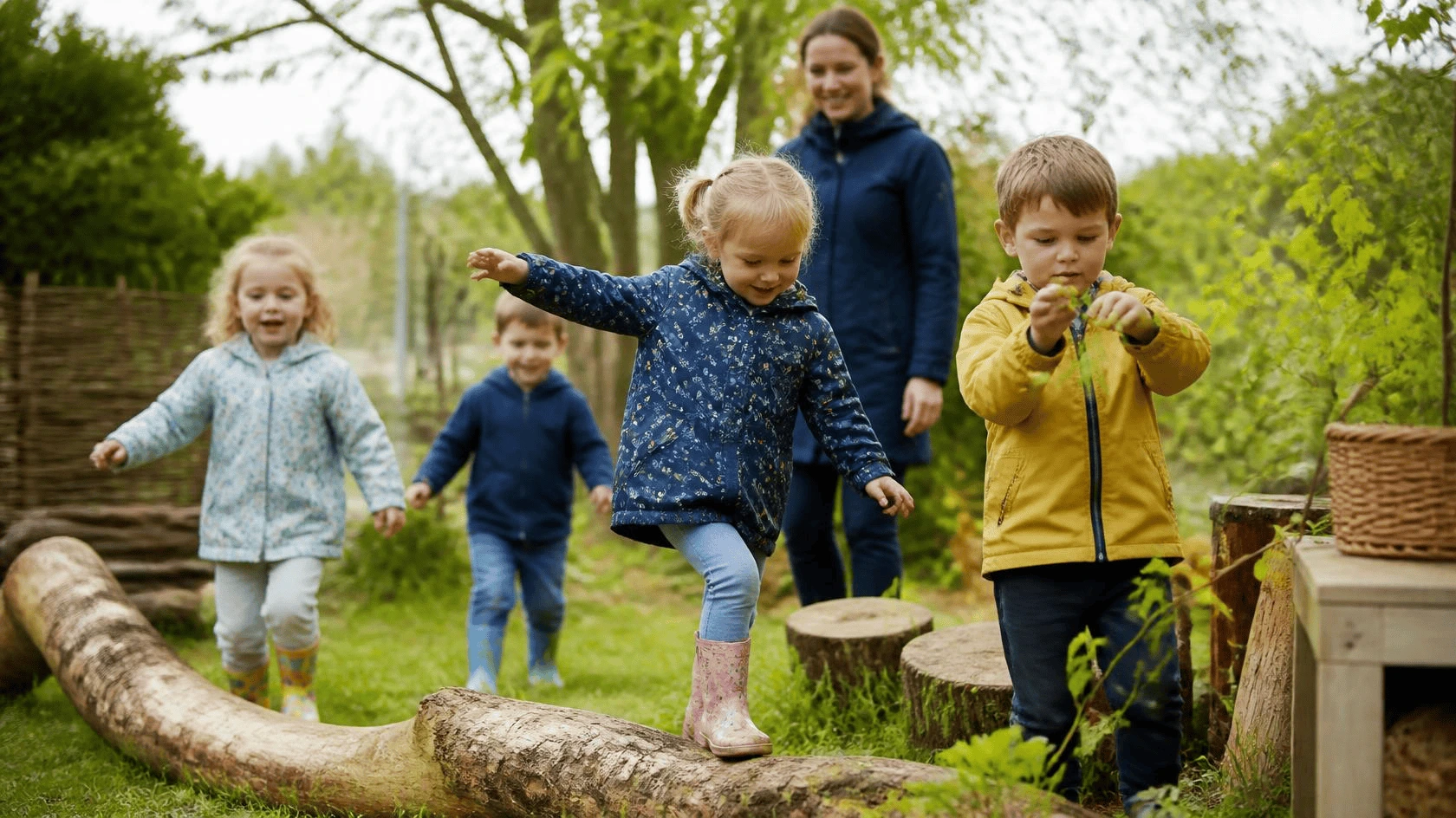
Outdoors, children learn to try, wobble and try again. Managing small, safe risks, like balancing on a log, builds confidence and resilience. Fresh air and freedom also lift children’s moods and help them manage big feelings, which is wonderful for emotional wellbeing.
Language, curiosity and learning
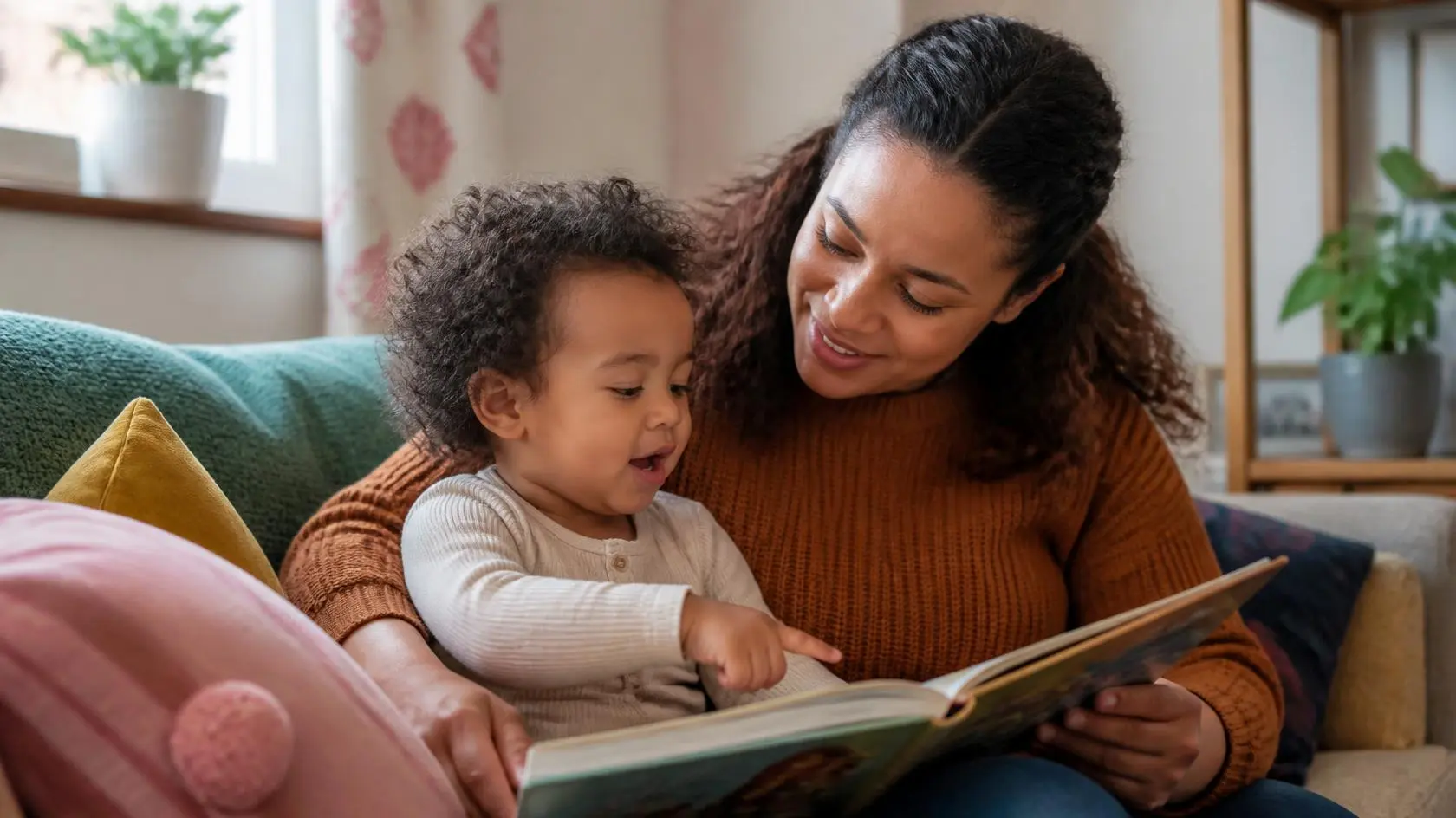
The outdoors is full of things worth talking about, from wriggly worms to rushing water. This sparks questions, new words and rich conversation, which helps to support their developing language. Exploring nature also nurtures curiosity, early science and maths, and a lifelong love of learning.
Want to see purposeful outdoor play in action? You are warmly welcome to come and visit us.
| Area of development | What outdoor play offers |
|---|---|
| Physical health | Strength, coordination, balance, healthy weight and better sleep |
| Emotional wellbeing | Calmer moods, resilience and space to manage big feelings |
| Social skills | Sharing, turn-taking, teamwork and making friends |
| Language | New words, questions and rich conversation about the world |
| Thinking and curiosity | Problem solving, early science and maths, and imagination |
| Confidence | Independence, safe risk-taking and a can-do attitude |
What does outdoor learning look like in the EYFS?

Outdoor play is so important that it is woven into the Early Years Foundation Stage, the framework that sets the standards for nurseries and childminders in England. The EYFS framework requires settings to give children daily access to outdoor play, or to plan outdoor activities every day where an outdoor area is not available.
In practice, outdoor learning in the early years means far more than a quick run around. Children might hunt for minibeasts, build dens, splash in water, plant seeds, paint the fence with water or count leaves, all while developing across every area of learning.
Forest school and nature play
Forest school and nature-based play take these benefits further. Regular, hands-on time in natural spaces lets children explore freely, take safe risks and build a deep connection with the natural world. The known forest school benefits include greater confidence, independence, focus and a genuine love of nature. The Woodland Trust has lovely ideas for outdoor nature activities for families that bring this spirit home.
A nursery where children learn and grow outdoors
At Purple Bees Day Nursery in Hounslow, daily outdoor play and nature-rich learning help children build confidence, curiosity and a love of the world around them. Come and see it for yourself.
How to enjoy the benefits of outdoor play at home
You do not need much to unlock the benefits of outdoor play. A little time and a willingness to get muddy go a long way. Try:
- A daily walk where your child sets the pace and stops to explore whatever catches their eye.
- Water play with cups, jugs and a washing-up bowl in the garden.
- A nature hunt for leaves, stones, feathers and bugs.
- Digging, planting seeds or filling pots with soil.
- Chalk drawing, ball games, balancing and climbing at the local park.
For plenty more inspiration, see our guide to outdoor summer activities to try.
The benefits of outdoor play in all weathers
The benefits of outdoor play are not just for sunny days. As the saying goes, there is no such thing as bad weather, only unsuitable clothing. Splashing in puddles in wellies, feeling wind on their faces or watching frost sparkle all bring their own magic and learning. Wrap up warm and dry, and let your child experience the seasons. On hot days, remember to keep them protected from the sun with shade, a hat and sunscreen.
Keeping outdoor play safe
Outdoor play is about safe adventure, not danger. Supervise closely, especially near water and roads, dress your child for the weather, and let them take small, manageable risks under your watchful eye. Learning to judge and manage risk is one of the most valuable benefits of outdoor play, and it happens best with a caring adult nearby.
Conclusion
The benefits of outdoor play for toddlers and preschoolers touch every part of who they are becoming, their bodies, minds, confidence, language and wellbeing. Outdoor play builds healthy, happy, curious children who are ready to learn and thrive. The wonderful news is that it is simple and free. A garden, a park or a rainy walk is all it takes to give your child these gifts. So pull on the wellies, step outside together and enjoy watching your little one flourish, because time in the fresh air is one of the very best things you can offer them.
Give your child room to grow, learn and explore
Purple Bees Day Nursery in Hounslow makes outdoor play and nature-rich learning part of every day, helping children from 3 months to 5 years thrive in body and mind. Come and see how we care.
Or call us on 020 8572 1919